When it comes to aesthetic treatments like Botox and dermal fillers, patient comfort is a top priority. Many patients are concerned about the pain associated with these procedures, especially since they involve needles being inserted into the skin. The good news is that numbing creams can make the process much more comfortable, allowing patients to relax and enhancing their overall experience. In this article, we’ll dive into the best numbing creams for fillers, backed by scientific research, and offer insights on how they can improve your practice.
Why Numbing Creams Are Essential for Fillers
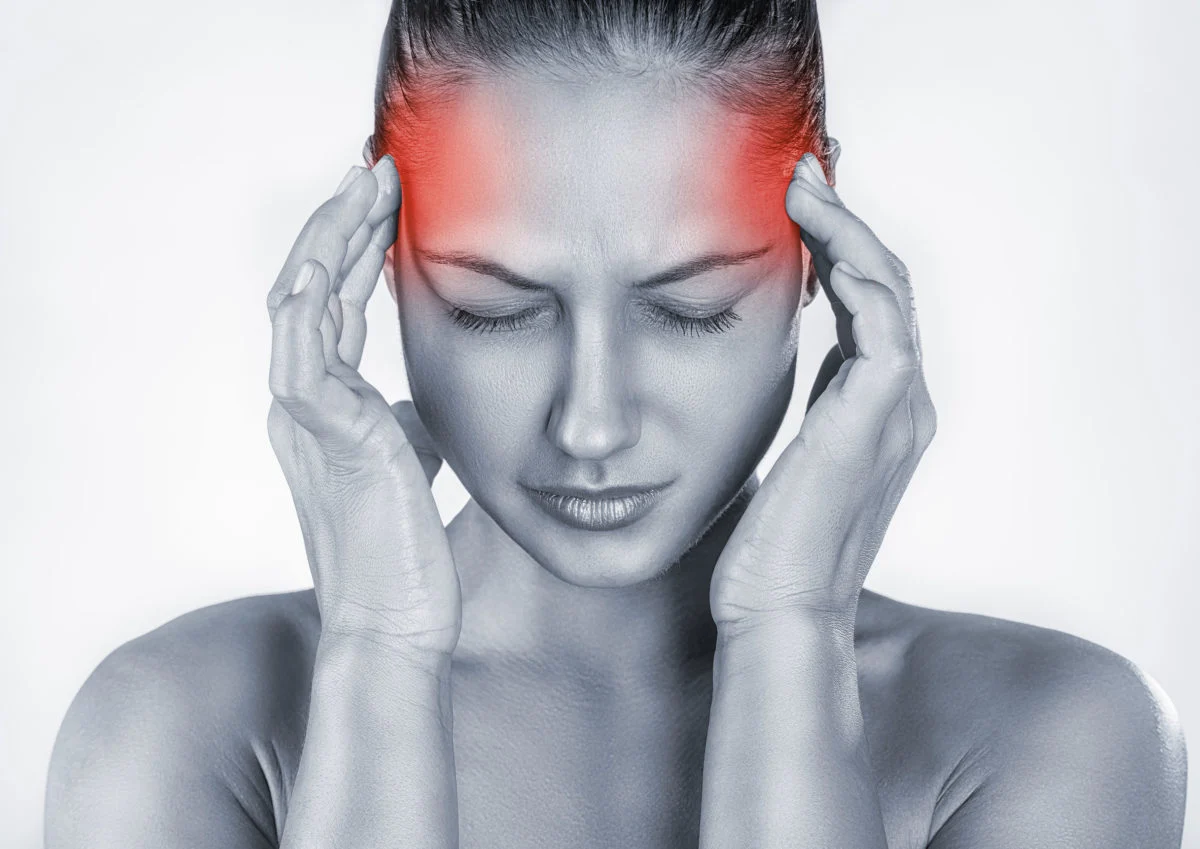
Administering dermal fillers or Botox injections can be an uncomfortable experience for patients. The skin and subcutaneous tissues have nerve endings that can cause pain during the procedure, especially in sensitive areas like the lips or under the eyes. Numbing creams are topical anesthetics designed to reduce pain and discomfort, providing a more comfortable experience for patients.
According to a study published in PubMed, the use of numbing creams significantly reduces pain perception during aesthetic procedures, improving patient satisfaction (PubMed, 2012). When you provide a comfortable treatment experience, patients are more likely to return for future appointments and recommend your services to others. This highlights the importance of using the right numbing cream in your practice.
Types of Numbing Creams for Dermal Fillers
There are several types of numbing creams available on the market, each with its own unique characteristics. Below are some of the most commonly used numbing creams for filler injections:
1. Lidocaine-Based Numbing Creams
Lidocaine is one of the most popular local anesthetics used in numbing creams. It works by blocking nerve signals in the skin, providing temporary pain relief during procedures. A study published in PubMed shows that lidocaine-based numbing creams are highly effective, with pain reduction observed in 80-90% of patients (PubMed, 2012).
Lidocaine creams typically contain concentrations of 2.5% to 5%, and they can be applied topically to the treatment area about 20-30 minutes before the procedure. The cream penetrates the skin and numbs the area, allowing for virtually painless injections.
2. Benzocaine-Based Numbing Creams
Benzocaine is another topical anesthetic that can be used for numbing. While less commonly used than lidocaine, benzocaine is still effective for shorter procedures. It works by numbing the area and blocking nerve signals, but its effects tend to wear off more quickly than lidocaine.
Benzocaine creams are often used for superficial injections where a short-term numbing effect is sufficient. A PubMed study noted that benzocaine is most effective in reducing mild discomfort but might not provide adequate relief for deeper or longer procedures (PubMed, 2012).
3. Combination Numbing Creams
Some numbing creams combine lidocaine with other anesthetic agents like prilocaine or tetracaine for enhanced efficacy. These combination creams are designed to provide deeper and longer-lasting numbing effects, which is especially beneficial for areas requiring more extensive injections, such as the cheeks or jawline.
A study in the Journal of Dermatologic Surgery found that combination numbing creams were superior in providing long-lasting numbing effects during dermal filler procedures, offering pain relief for up to 1 hour (PubMed, 2012).
How to Choose the Right Numbing Cream for Your Patients
Choosing the right numbing cream depends on the type of filler treatment being performed, the patient’s pain tolerance, and the area being treated. Here are a few things to consider:
- Pain Tolerance: If your patient has a lower pain threshold, a stronger numbing cream like lidocaine 5% or a combination cream might be necessary.
- Treatment Area: Sensitive areas like the lips or under-eye area may require a stronger numbing agent or combination cream for more effective pain management.
- Duration of Procedure: For longer treatments, combination numbing creams are generally a better option, as they last longer than standard lidocaine or benzocaine creams.
- Patient Preferences: Some patients may prefer certain formulations over others, so it’s important to discuss their options and address any concerns they may have about the creams or potential side effects.
Dosage Recommendations for Numbing Creams
The standard dosage for most numbing creams ranges from 2.5% to 5% lidocaine or benzocaine. These are the most commonly used concentrations and have been shown to be both safe and effective for reducing pain during filler procedures. Some practices may use higher concentrations of lidocaine (up to 10%) for more extensive treatments, but it’s essential to follow guidelines and check for any contraindications in patients (PubMed, 2012).
For optimal results, numbing creams should be applied 20-30 minutes before the procedure to allow the skin to fully absorb the active ingredient. In some cases, a plastic wrap can be used to help the cream penetrate the skin more effectively.
Side Effects of Numbing Creams
While numbing creams are generally safe, there are potential side effects to be aware of. The most common side effects include:
- Skin Irritation: Some patients may experience redness, swelling, or itching at the site of application.
- Allergic Reactions: Rarely, patients may be allergic to the ingredients in the numbing cream, leading to more serious reactions like rash or swelling.
- Overuse: Applying too much numbing cream or leaving it on too long can cause excessive numbing, which may lead to unintended side effects like temporary skin discoloration or numbness that lasts longer than expected.
It’s important to monitor patients for any adverse reactions during and after the procedure. Discussing these potential risks with patients before starting treatment is key to managing expectations and ensuring patient safety.
Integrating Numbing Creams into Your Aesthetic Practice
Incorporating numbing creams into your practice can significantly improve the patient experience, making your services more attractive to potential clients. Not only will this improve patient satisfaction, but it will also make your treatments more comfortable and efficient.
For healthcare professionals looking to expand their knowledge and services in aesthetic medicine, Botox Medical Training offers comprehensive Botox and dermal filler certification training. Our courses cover essential techniques, including proper numbing cream application, patient communication, and filler injection methods to ensure the best possible outcomes for your patients.
Conclusion
Numbing creams are a powerful tool in aesthetic medicine, helping to reduce pain and improve the overall experience for patients undergoing Botox and dermal filler treatments. By selecting the right numbing cream, applying it properly, and following recommended dosages and protocols, healthcare providers can enhance patient satisfaction and increase the success of their procedures.
Whether you’re just starting out in aesthetic medicine or looking to expand your offerings, understanding how to effectively use numbing creams is essential. Proper training, such as the certification courses offered by Botox Medical Training, can equip you with the knowledge and skills needed to succeed in this growing field.